
Why Solar Inverters Burn or Fail – Common Causes and Prevention
Introduction
Solar power systems are designed to operate reliably for many years. However, improper installation, electrical faults, or environmental factors can sometimes cause solar inverter failure. In extreme cases, inverters may overheat or even burn.
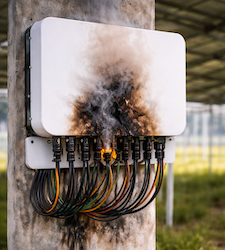
Understanding the causes of inverter failures helps system owners and engineers design safer and more reliable solar installations. This article explains the most common reasons solar inverters fail and the steps that can prevent such issues.
The Role of a Solar Inverter
A solar inverter is responsible for converting DC electricity from solar panels into AC electricity that can be used by appliances or supplied to the grid. It also manages communication with the electrical system and monitors overall performance.
Because it handles high electrical power continuously, the inverter must operate within strict electrical and thermal limits.
Common Causes of Solar Inverter Failure
Poor Installation Practices
One of the most common reasons for inverter failure is incorrect installation. Loose wiring connections, improper cable sizing, or poor grounding can lead to overheating and electrical faults.
Proper installation should always follow manufacturer guidelines and electrical safety standards.
Electrical Surges and Lightning
Power surges caused by lightning or grid disturbances can damage sensitive electronic components inside the inverter. Without adequate surge protection and grounding, high voltage spikes may permanently damage the inverter circuitry.
Installing surge protection devices and proper earthing systems helps reduce these risks.
Overheating
Solar inverters generate heat during operation. If the inverter is installed in a poorly ventilated location or exposed to excessive ambient temperature, internal components may overheat.
Overheating can lead to:
- reduced efficiency
- component degradation
- system shutdown or failure
Installing inverters in shaded, ventilated locations helps maintain safe operating temperatures.
DC Arc Faults
Loose or damaged DC connections can create arc faults, which are electrical discharges between conductors. Arc faults generate intense heat and may cause serious equipment damage or fire hazards.
Modern smart inverters often include arc fault detection systems to automatically shut down the system when such conditions occur.
Poor System Design
Improper system design can place excessive electrical stress on the inverter. This may include incorrect voltage levels, mismatched panel configurations, or overloaded circuits.
Professional system design ensures the inverter operates within safe electrical limits.
Preventing Solar Inverter Failures
To reduce the risk of inverter failure, several best practices should be followed.
Proper System Design
Ensure that solar panel configurations and inverter specifications are correctly matched.
Quality Electrical Protection
Install appropriate protection systems such as:
- surge protection devices
- proper earthing systems
- circuit protection components
Professional Installation
Qualified technicians should install solar equipment following industry standards and manufacturer recommendations.
Regular Maintenance
Routine inspection and monitoring help identify potential issues before they lead to system failure.
The Importance of Smart Inverter Technology
Modern solar inverters incorporate advanced safety features that help protect the system. These features include:
- arc fault detection
- intelligent monitoring
- automated shutdown protection
- fault diagnostics
Such technologies improve system reliability and reduce operational risks.
Conclusion
Solar inverter failures are usually preventable when systems are designed and installed correctly. Understanding the common causes of inverter damage—such as poor installation, electrical surges, overheating, and arc faults—helps ensure safe and reliable solar system operation.
With proper engineering design, electrical protection, and quality equipment, solar installations can operate efficiently for many years.