
Insights & Articles
Technical articles, guides and industry updates from E.Coil
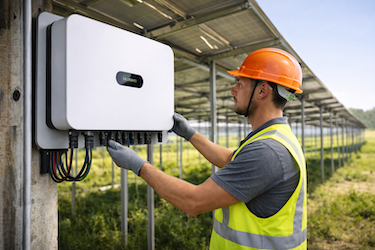
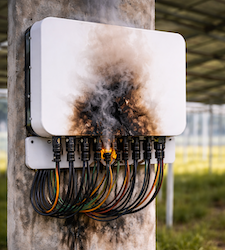
Why Solar Inverters Burn or Fail – Common Causes and Prevention
Solar power systems are designed to operate reliably for many years. However, improper installation, electrical faults, or environmental factors can sometimes cause solar inverter failure. In extreme cases, inverters may overheat or even burn.Understanding the causes of inverter failures helps system owners and engineers design safer and more reliable solar installations. This article explains the most common reasons solar inverters fail and the steps that can prevent such issues.
View Details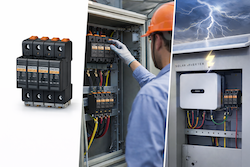
Surge Protection Devices (SPD) in Solar and Industrial Systems
Electrical systems in solar power plants, industrial facilities, telecom sites, and commercial buildings are increasingly exposed to transient overvoltages caused by lightning activity, switching operations, and grid disturbances. These transient events — often lasting only microseconds — can cause insulation breakdown, equipment damage, data loss, and unplanned downtime.
View Details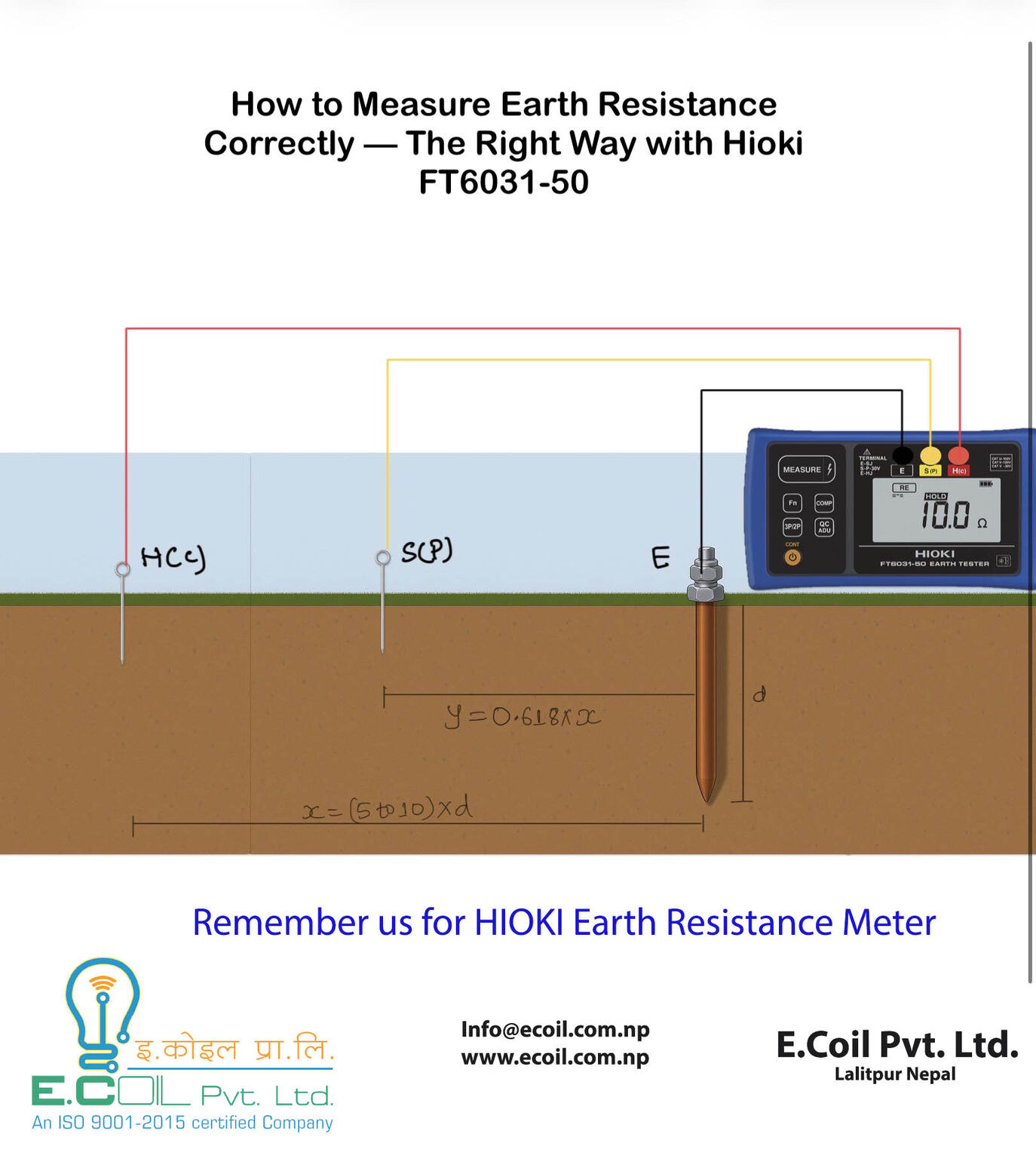
Measuring Earth Resistance — Real Way
Measuring earth resistance is a critical part of electrical safety and grounding system verification. In practice, however, many field measurements are done incorrectly. It is common to see technicians connect the earth tester, note the number displayed on the screen, and assume the job is complete. The problem is that the reading shown by the tester can easily be misleading if the probes are placed incorrectly or if the surrounding conditions affect the current flow through the soil.
View Details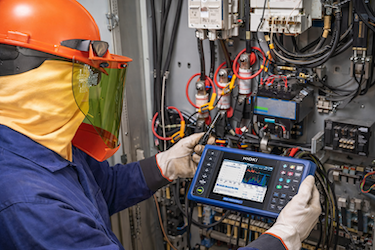
Power Quality Problems in Nepal’s Industries
In many industrial facilities in Nepal, electrical problems are often blamed on equipment faults or poor machinery design. However, a significant number of failures are actually caused by poor power quality.Modern factories use large numbers of electronic loads such as variable frequency drives (VFDs), UPS systems, solar inverters, switching power supplies, and automation equipment. These devices interact with the electrical network in ways that can distort voltage and current waveforms.
View Details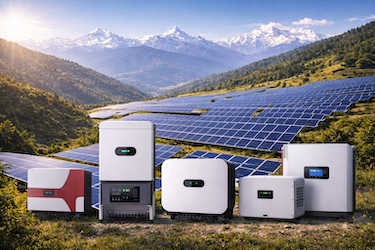
Selecting a Solar Inverter for Installations in Nepal: Engineering Considerations
A poorly selected inverter can lead to issues such as frequent tripping, reduced energy yield, harmonic injection into the grid, or failure during voltage instability. Therefore, inverter selection should be based on measurable electrical parameters and system design requirements
View DetailsNo articles found
Try a different search term.